







Search Results for: Red/Green/Blue Label Classification
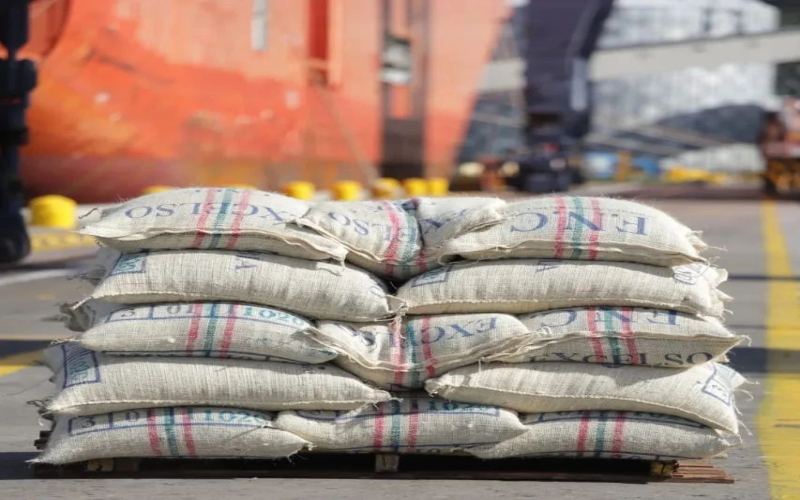
A Detailed Explanation of Colombian Green Coffee Bean Grading: The Meaning of Excelso and Supremo, and Front Street Brand Recommendations
Colombian coffee occupies an important place in the world of specialty coffee, and its green bean grading system is based primarily on defect rates and bean screen size. When buying Colombian coffee, what exactly do the words "Supremo" and "Excelso" commonly seen on burlap sacks mean? This article will systematically sort out the grading rules for Colombian green coffee beans from multiple angles, including export standards, defect scoring, and screen-size classification, and explain the specific differences among the three grades UGQ, EP, and Supremo. At the same time, the article will also introduce common Colombian coffee bean brands on the market, including product information recommended by Front Street Coffee, to help coffee lovers more clearly understand the grade and quality of the bag of beans in their hands. [more…]
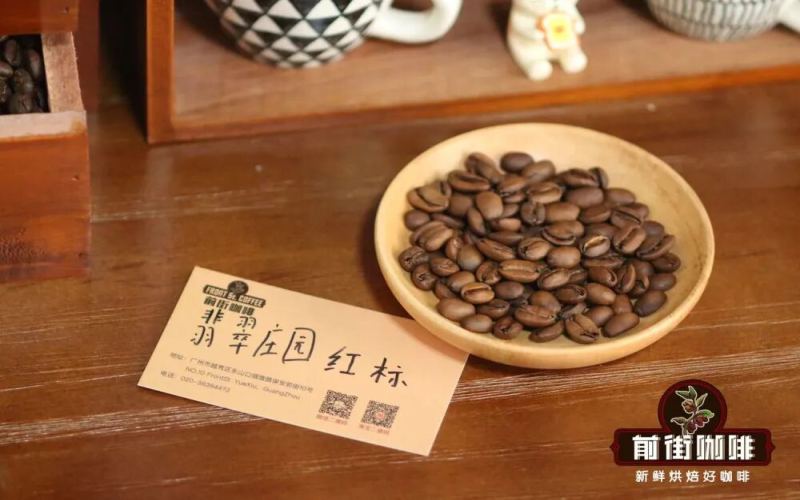
French Press Coffee | What are the differences in coffee flavors of Geisha from different regions? How to use a French press to brew a delicious cup of Geisha coffee?
Kopi Luwak, once one of the top-tier coffees, was so hard to find that a single bean was precious. Today, the newly crowned king of coffee, Geisha, is equally hard to come by. The reason Geisha coffee is so scarce is its high price. If you really do get your hands on a bag of Geisha coffee beans, you'll naturally treat it like a treasure to be savored. However, as someone who is still [more…]
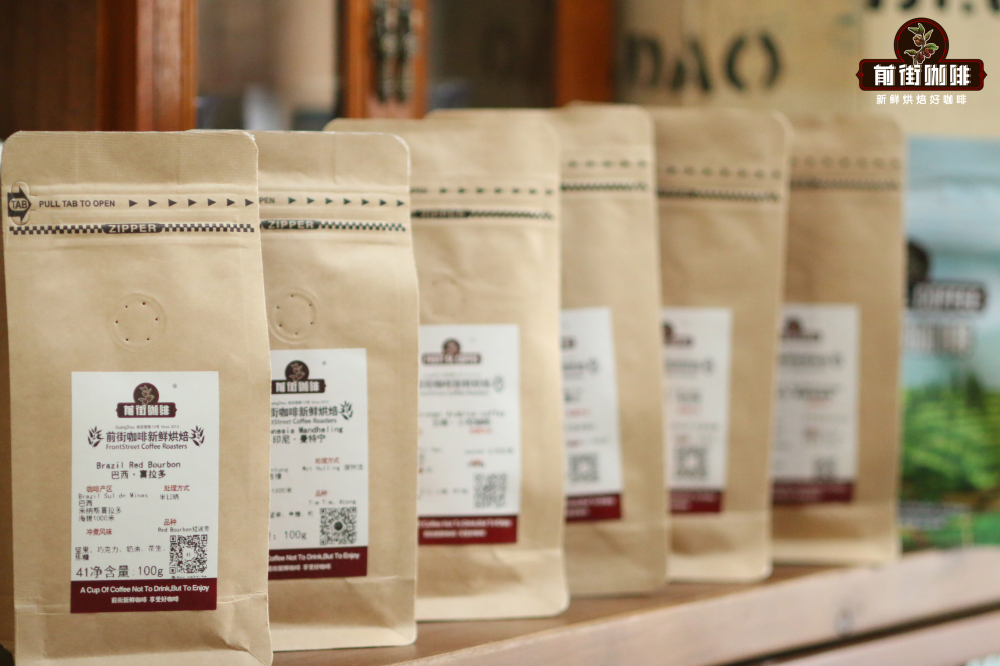
How Coffee Flavor Is Created | Which Coffee Bean Roast Level Is Best? How Can Coffee Beginners Distinguish Dark, Medium, and Light Roasted Coffee Beans?
For more specialty coffee knowledge, please follow: Front Street Coffee (Frontsteet Coffee). Some friends who have purchased Front Street Coffee (FrontStreet Coffee) beans may be a bit confused about why Front Street's coffee bean labels don't indicate the roast level. [more…]

Black Coffee Brand Rankings | What Are the Top Ten Best-Tasting Coffee Beans? What Are the Signature Coffees of Panama, Ethiopia, and Jamaica?
Many friends have messaged Front Street privately, asking Front Street to introduce some representative good coffee beans. Front Street thought about it, and the most representative coffees are the more distinctive coffee beans from each major producing region. For this reason, Front Street has recommended 10 coffee beans from different producing countries. 1. Front Street Coffee (FrontSt [more…]
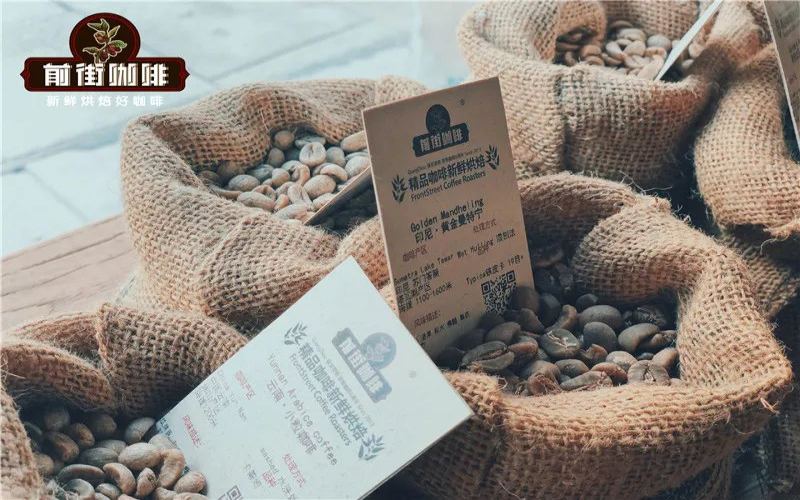
Black Coffee Brand Rankings | Which light, medium, and dark roast coffee beans are beginner-friendly and suitable for pour-over? Introduction to the flavor and taste characteristics of the top ten best single-origin beans
Many friends have私信'd Front Street, asking us to introduce some representative good coffee beans. Front Street thought about it, and the most representative coffees are the more distinctive coffee beans from major producing regions. To that end, Front Street has recommended 10 coffee beans from different producing countries for everyone. 1. Front Street Jamaica Blue Mountain No. 1 Coffee Beans [more…]

Analysis of Coffee Tree Potted Cultivation and Growing Region Conditions: From Plant Classification to Artificial Planting Practices
Coffee, this everyday beverage, originates from the fruit of the coffee tree. This article begins with its botanical classification and systematically examines the origins, growth habits, and suitable cultivation regions of the coffee tree. The coffee tree belongs to the genus Coffea in the family Rubiaceae and is an evergreen shrub, naturally distributed across the "Coffee Belt" between the Tropic of Cancer and the Tropic of Capricorn. Beyond commercial cultivation, the coffee tree can also be grown as an ornamental potted plant, displaying its unique charm in artificial environments. The article will explain in detail the coffee tree's growth cycle, pruning management, and planting applications in coffee shops, accompanied by multiple images to aid explanation, helping coffee enthusiasts gain a more comprehensive understanding of this plant's natural and cultivated growing requirements. [more…]
A Complete Guide to Arabica Coffee: From Botanical Classification to Variety Characteristics and Origin Distribution
What exactly does a coffee tree look like? What is the essential difference between Arabica and Robusta? Starting from botanical classification, this article systematically sorts out the complete classification system of the genus Coffea and explains in detail the origins, growing conditions, flavor characteristics, and main subspecies of the two major commercial varieties, Arabica and Robusta. You will learn about the anatomical structure of the coffee cherry, the spread paths of classic subspecies such as Typica and Bourbon, and the genetic connections between Yunnan small-bean coffee and Blue Mountain and Kona. Whether you are a beginner enthusiast or a seasoned professional, this basic knowledge about coffee varieties is worth reading. Front Street Coffee will also recommend variety information worth paying attention to in this article. [more…]
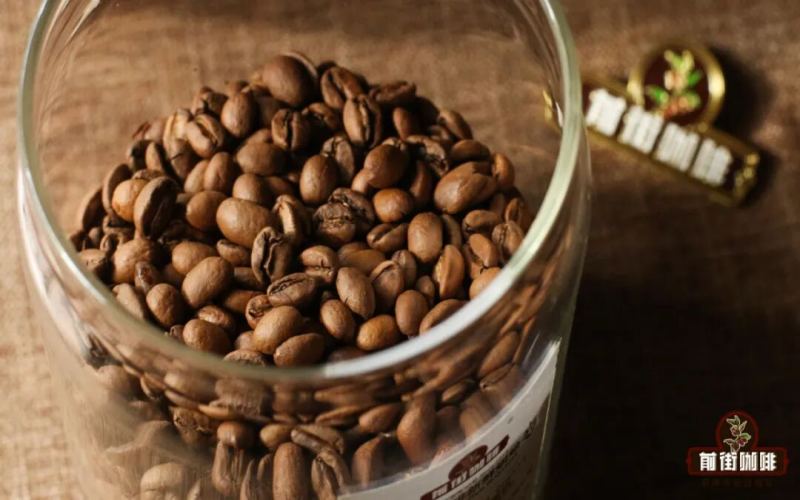
Coffee Knowledge | How to Quickly Identify Coffee Bean Roast Levels? Introduction to Grind Size and Brewing Water Temperature Parameters for Medium-Light and Medium-Dark Roasted Coffee
As everyone knows, Front Street Coffee mainly sells beans and has shops on both Taobao and Tmall, so friends who can't make it to the store often place orders online. Then some friends noticed that the labels on Front Street Coffee's beans don't indicate the roast level of the coffee beans, so they reported that after receiving them, they didn't know how to identify [more…]
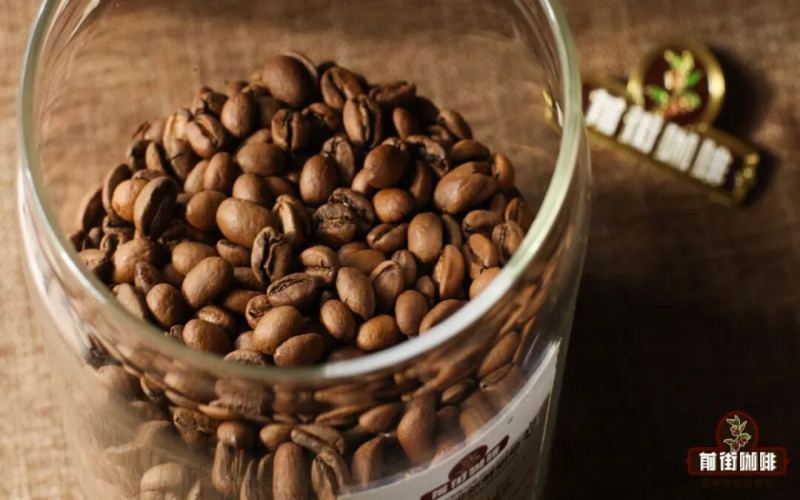
Coffee Roast Levels | How Can Coffee Beginners Quickly Distinguish the Roast Level of Coffee Beans? How Are Coffee Bean Roast Levels Defined?
As is well known, Front Street primarily sells coffee beans and has shops on both Taobao and Tmall, so friends who can't make it to the physical store often place orders online. Some of them then noticed that Front Street's bean labels don't indicate the roast level of the coffee beans, and they reported that once they receive the beans, they don't know how to identify [more…]
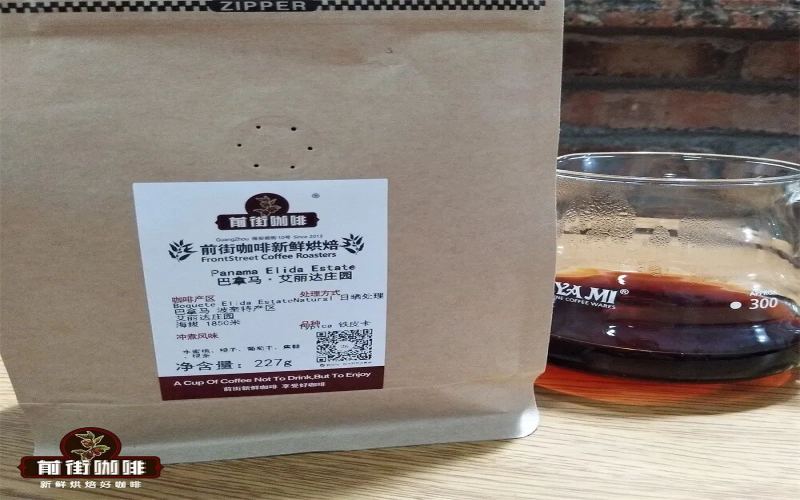
Coffee Varieties | Are Geisha and Gesha coffee the same variety? How was Geisha discovered? What are the differences between Yirgacheffe and Geisha coffee?
We know that Geisha coffee is very delicious and also very famous, but do you know how Geisha coffee got its name? There are many ways to name coffee: some are named after the producing country or region, and some are named after the estate, while Geisha is the name of a coffee variety. Geisha refers to a coffee variety, called Geisha/Ge in English. [more…]
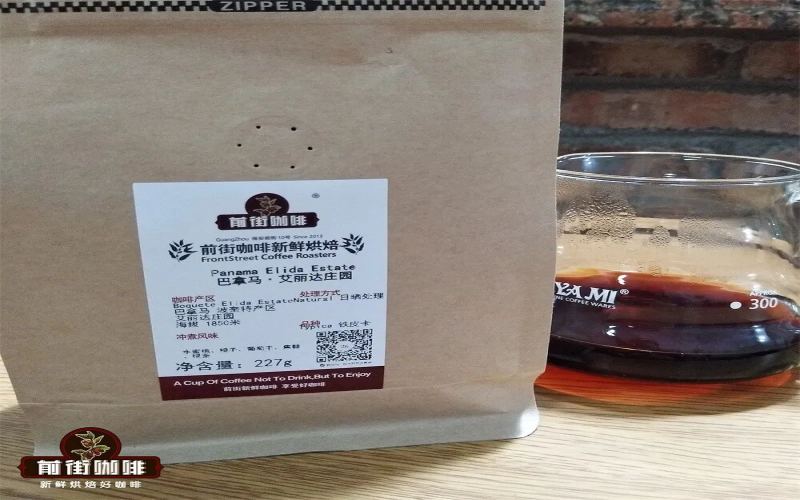
The Origin of Geisha Coffee | What Are the Flavor and Taste Characteristics of Panama Geisha Coffee? What Is the Difference Between Geisha and Yirgacheffe, and Which One Tastes Better?
We know that Geisha coffee is very delicious and famous, but do you know how Geisha coffee got its name? There are many ways to name coffee—some are named after the producing country or region, and some are named after the estate—while Geisha is the name of a coffee variety. Geisha refers to a coffee variety, called Geisha in English. [more…]
Coffee Varieties Illustrated | What Are the Taste and Shape Differences Between the Three Major Coffee Bean Species? How to Quickly Identify Coffee Bean Varieties? Are Ethiopian Heirloom and Geisha the Same Species of Coffee?
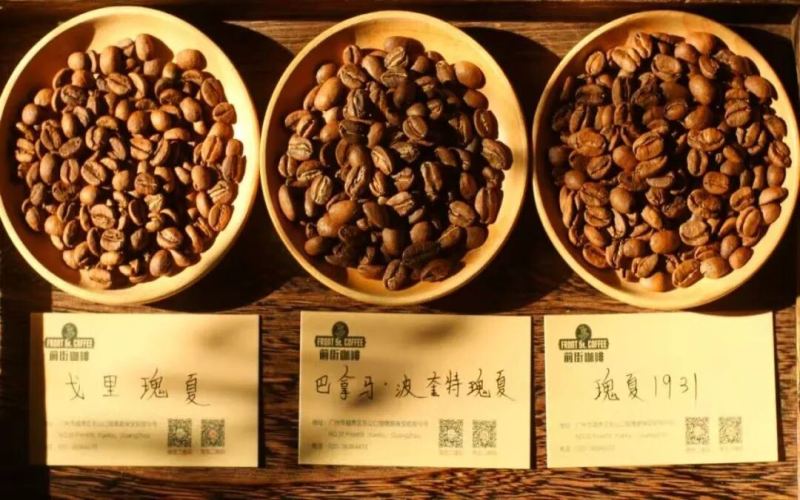
Every variety of coffee beans has different bean appearance (bean外貌) characteristics. In this article, Front Street will guide everyone through coffee bean appearance to identify coffee bean varieties, and what flavor characteristics do different coffee varieties have? ~| Typica (Typica) Typica originated in Ethiopia and southeastern Sudan. [more…]
Recommendations for Non-Acidic Coffee Beans | What Are the Characteristics and Differences of Light, Medium, and Dark Roast Coffee Beans? What Water Temperature Is Suitable for Brewing Light, Medium, and Dark Roast Coffee Beans?
Some friends have pointed out that "Front Street's coffee beans don't have any indication of roast level." In response, Front Street plans to use an article to share knowledge about coffee roast levels with everyone. I believe that most people's understanding of coffee bean roast levels is basically that if it's sour, it's a light roast, and if it's bitter, it's a dark roast. Of course, as people in the industry [more…]
A Complete Guide to Coffee Defects: Ten Common Types, Causes, and Identification Methods Illustrated
The content of defective beans directly affects coffee quality and grade classification. Taking Brazil as an example, the local system uses a "deduction method," grading based on the number of defective beans per 300 grams of main beans. In addition, coffee usually requires hand sorting during processing, and only by fully mastering the types and characteristics of defective beans can they be effectively removed. So exactly how many types of defective beans are there? This article will use illustrated explanations to introduce ten common defective beans one by one, including shell beans, stones, moldy beans, fermented beans, dead beans, immature beans, shell beans, insect-damaged beans, black beans, and cocoa beans, explaining their causes, appearance characteristics, and negative effects on coffee flavor, laying the foundation for subsequent learning about defective bean selection. [more…]
A Complete Guide to Jamaican Blue Mountain Coffee: Origins, Varieties and Grades, Flavor Profile, and Market Prices
Jamaican Blue Mountain coffee is hailed as one of the most expensive coffees in the world, but where exactly does its reputation come from? This article will provide a comprehensive analysis of the true face of Blue Mountain coffee from multiple dimensions, including its historical origins, production areas, growing conditions, grade classifications, transportation methods, market supply landscape, and flavor profile. At the same time, it will also reveal a fact that is often overlooked: the so-called "Blue Mountain coffee" available domestically is, in the vast majority of cases, not truly produced in the core Blue Mountain production area. For enthusiasts who want to gain a deeper understanding of Blue Mountain coffee, this article will help you build a clear cognitive framework. [more…]
A Complete Guide to Ethiopian Coffee Heirloom Varieties: From Variety Characteristics to the Red Cherry Project and Grading System
Ethiopia is a genetic treasure trove of coffee, with a vast array of native varieties and unique flavors. From Yirgacheffe to Sidamo, from washed to natural, every bean is full of surprises. This article takes you deep into Ethiopia's coffee variety classifications, flavor characteristics, processing method differences, the Red Cherry Project, and its unique grading system, and shares Front Street Coffee's cupping and brewing experience to help you gain a comprehensive understanding of this major African coffee country. [more…]
Gesha Village Coffee Grades | What Are the Differences in Flavor and Mouthfeel Between Ethiopia's Gesha Village Gold Label and Red Label Coffee?
Besides Hacienda La Esmeralda's Red Label and Green Label Geisha, there is another group of somewhat well-known "labeled" Geishas on Front Street Coffee's bean menu board. These are the Gold Label Geisha and Red Label Geisha from Ethiopia's Gesha Village. Front Street Coffee has previously shared the grading system of Hacienda La Esmeralda, and has also shared about two estates. [more…]
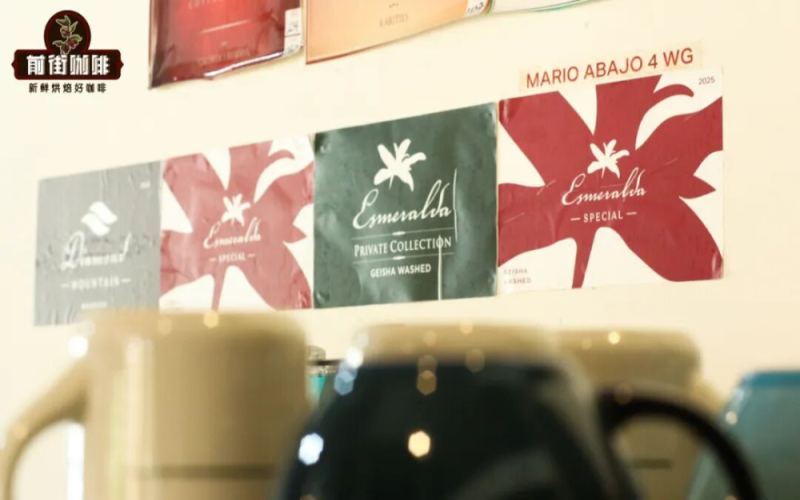
Panama Hacienda La Esmeralda Geisha Coffee Beans | What's the Difference Between Red Label Geisha and Green Label Geisha (Geisha) Coffee Beans? How Did Hacienda La Esmeralda Come to Grade Geisha Coffee?
If Geisha is compared to a legendary steed, then Hacienda La Esmeralda is undoubtedly the judge who recognized its worth. It was Hacienda La Esmeralda that discovered Geisha's potential and introduced its delicious flavor to the world at the 2004 BOP, which is why Geisha has become the top variety in today's specialty coffee scene. It can be said that without [more…]

Hacienda La Esmeralda Geisha Coffee Bean Grades | What is the difference between Panama La Esmeralda Geisha Red Label and Green Label? Why is Esmeralda Geisha coffee so expensive?
If Geisha is likened to a thousand-mile horse, then Hacienda La Esmeralda is undoubtedly the Bo Le who recognized its worth. It was Hacienda La Esmeralda that discovered Geisha's potential and introduced its exquisite flavor to the world at the 2004 BOP, which is why Geisha has become the top variety in today's specialty coffee scene. It can be said that without [more…]
Hacienda La Esmeralda Red Label Geisha: How to Read Panama Geisha's Grading System
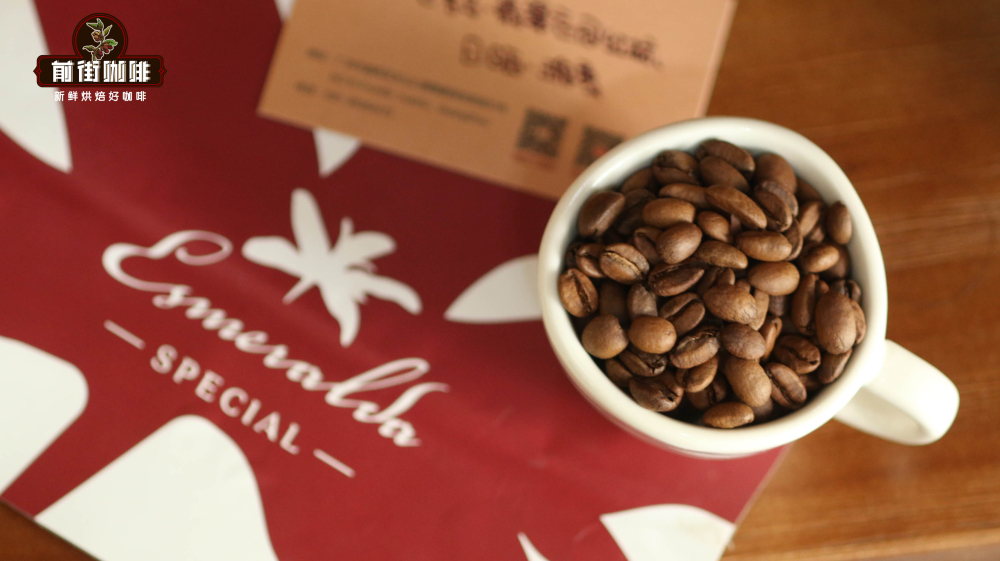
In the specialty coffee world, Geisha from Panama's Hacienda La Esmeralda is a name that's almost impossible to avoid. When buying Geisha, product pages often feature terms like "Red Label," "Green Label," and "Auction Lot"—but what exactly do they mean? This article uses Hacienda La Esmeralda's Red Label Geisha as a thread to help you make sense of the grading system. Emerald [more…]